
Wear and tear is a term used to describe damage that happens naturally over time, rather than something sudden. And because the change can happen slowly, you might not notice it happening.
The term can often be misunderstood, so we’ll explain what wear and tear is, what it can look like, where it often shows up, what you can do about it, and what it might mean for your home insurance.
Jump to:
What’s wear and tear?
Wear and tear refers to the normal, gradual deterioration that happens to an item or property through everyday, ordinary use. It’s the kind of damage that naturally occurs over time without misuse, neglect, or accidents. Unlike something sudden, you might not notice the changes caused by wear and tear.
An example in your home could be a carpet which has seen its pile thinned by years of daily use.
Why wear and tear matters with your home insurance
Lots of issues around the home can be avoided if you stay on top of home maintenance, which helps to combat wear and tear.
Not only that, but some home insurance claims may not be valid if you’ve not been correctly maintaining your home.
Wear and tear isn’t covered by home insurance
Home insurance provides cover for damage by specific incidents. These will be listed in the policy and generally exclude damage caused by gradual deterioration, ageing or everyday use. Claims for issues like worn carpets or corroded roof nails are usually rejected because they’re considered maintenance responsibilities.
It can lead to claim refusals
If there’s damage because of poor upkeep (e.g. leaks from old sealant or mould from neglected ventilation), insurers may refuse to pay; even if the problem later causes bigger issues. It’s the homeowner’s responsibility to maintain their property.
Preventative maintenance is key
Regular checks and repairs could help avoid problems that could be classed as wear and tear. Good maintenance can extend the useful lifespan of property or items and reduces the risk of rejected claims and uncovered losses.
What does wear and tear in your home look like?
With a car, you change your tyres when the tread is worn away and replace the windscreen wipers when they stop working properly. But when it comes to your home, what kind of things should you be looking out for?
Below are common areas where wear and tear can appear, plus some simple signs of what to look for.
Wear and tear in the bathroom
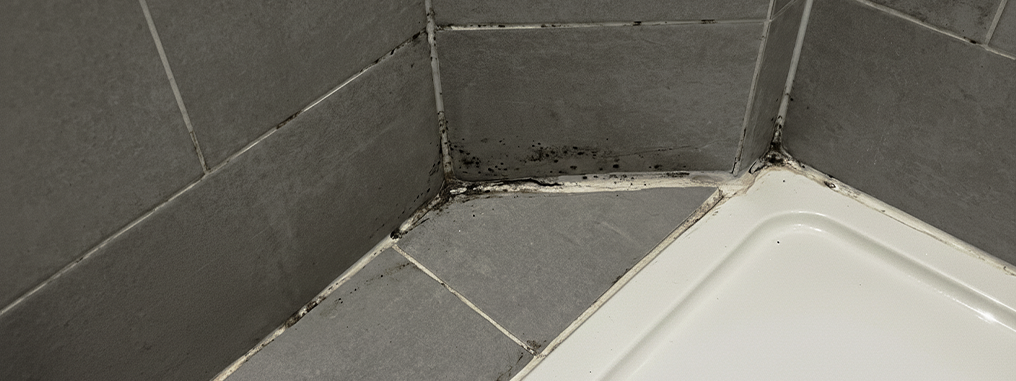
What you might notice:
- Cracked, missing or discoloured grout or sealant around baths, showers, sinks or tiles.
- Mould appearing in corners/around seals.
- Water marks or a musty smell that suggest moisture buildup over time.
Why it happens: Sealant and grout can deteriorate over time and moisture can build up if ventilation isn’t good enough.
Quick prevention tip: Check grout and sealant regularly and replace it if it’s cracked or lifting. Keep the room ventilated and think about extending the timer on any bathroom extractor fans. You could also invest in a dehumidifier which will remove moisture from the air.
Wear and tear in the kitchen
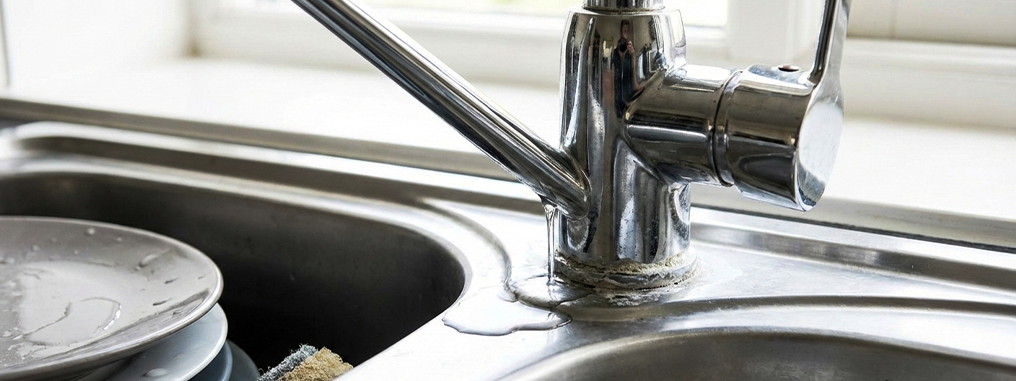
What you might notice:
- Worn or split sealant around sinks/worktops or behind taps.
- Dripping taps or small leaks that come and go.
- Damp patches near units or skirting that develop gradually.
Why it happens: Everyday use can loosen fittings and degrade sealants over time, letting water seep into small gaps.
Quick prevention tip: Keep an eye on seals and joints, and deal with drips early before they turn into bigger damp problems.
Wear and tear in the living room
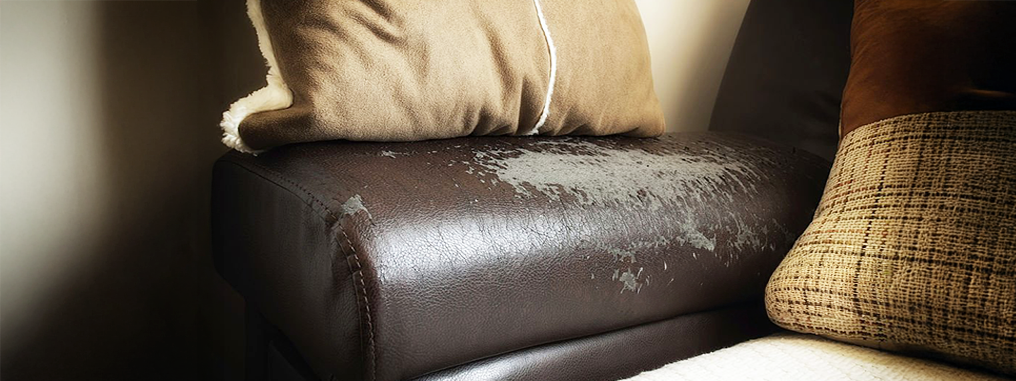
What you might notice:
- Faded carpets and curtains.
- Worn-out fabrics on sofas and armchairs.
- Scratched flooring from general use or moving furniture.
Why it happens: Things we use every day will gradually become more worn out and tired-looking.
Quick prevention tip: Rotate cushions, use throws/rugs in busy areas and put felt pads underneath furniture to protect your floors. These tips can all help to slow wear and tear.
Wear and tear on the roof
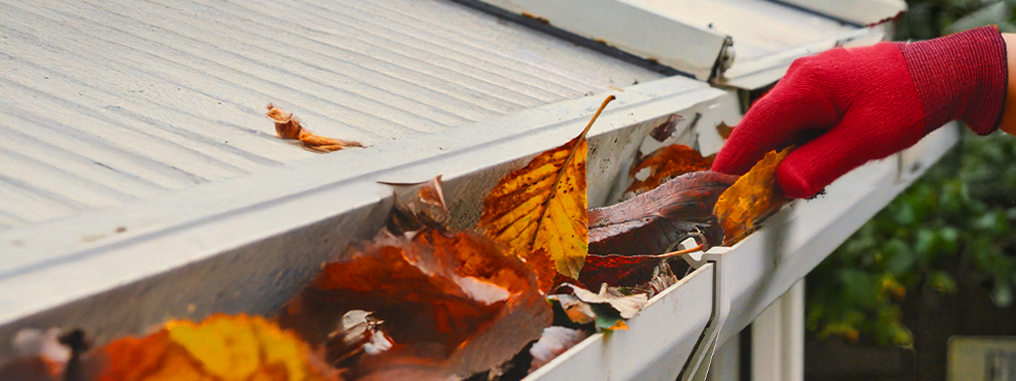
What you might notice:
- Loose or slipped tiles that have shifted over time.
- Signs of water getting in, such as a wet patch developing on a ceiling.
- Blocked/overflowing gutters contributing to water running where it shouldn’t.
Why it happens: Over time, mixed weather conditions and ageing materials can gradually loosen tiles and wear roof components over time. Guttering can become blocked by leaves.
Quick prevention tip: Inspect the roof for loose tiles and have your gutters cleaned to prevent overflow and the problems that can come from overflowing water.
Wear and tear on external walls and features
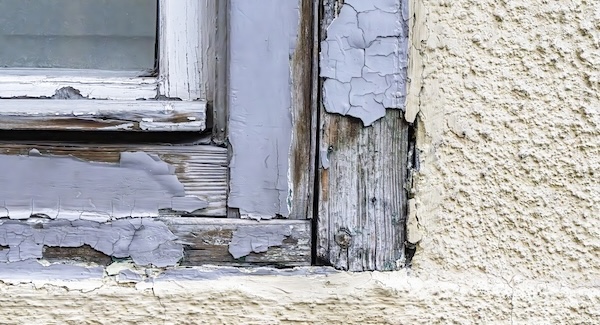
What you might notice:
- Cracked or worn brickwork, walls or plaster.
- Damp patches on internal walls that can be linked to moisture getting in over time.
- Rotting or worn external features (frames/doors/fencing) due to exposure.
Why it happens: External materials can gradually degrade with weather exposure, especially if cracks aren’t sealed or surfaces aren’t protected.
Quick prevention tip: Check for cracks and keep exterior surfaces protected (for example, refreshing exterior woodwork paint in summer).
Your home maintenance calendar
Doing small checks throughout the year can help reduce gradual damage and stop minor issues becoming bigger, harder-to-fix problems.
Monthly home maintenance
- Test smoke and carbon monoxide alarms so you know they’re working.
- Check grout and sealant around wall tiles, worktops, sinks and toilets. Clean or replace if they’re worn or discoloured.
- Keep an eye out for clues of early leaks, like boiler pressure changes or floor discolouration and deal with them when seen/identified.
Spring into action after the cold and wet winter weather
- Inspect your roof from ground level to spot missing/loose tiles and any areas that don’t look right.
- Check brickwork and mortar for wear (for example, loose mortar) and consider repairs if anything looks unstable.
- Inspect and clean gutters to help prevent water overflow and leaks caused by blockages.
Summer’s time to check outside
- Refresh exterior woodwork paint (where needed) to help protect it against moisture and weather.
- Trim trees and branches within your boundary to reduce the chance of damage by bad weather later in the year.
Autumn signals change ahead
- Clear fallen leaves from drains and gutters so rainwater can flow away properly (blockages can cause leaks and damage).
- Check window and door seals for drafts and gaps, and replace worn seals where needed.
- Cover outdoor taps to help stop them from freezing in low temperatures.
- Check your roof again (from ground level) for loose tiles, worn cement and any issues around the chimney/roof area that could worsen in storms.
- Bleed radiators to make sure they’re working at their best ahead of the colder weather.
Don’t forget the annual service
- Service your boiler and keep it maintained according to the manufacturer’s instructions. Try to get it done before the winter months, so it’s ready for when you need it.
- Service your water tank to remove sediment that can clog pipes and taps, causing damage.
These are examples of things you’ll need to regularly service, so be sure to create a list specific to your home.
Wear and tear FAQs
Q1. What’s the difference between wear and tear and accidental damage?
Wear and tear is deterioration that happens gradually over time through normal everyday use or natural ageing (for example, worn carpets or sealant that slowly fails). Accidental damage is sudden, unintentional physical damage that happens unexpectedly as a result of a single incident (for example, dropping a laptop and cracking the screen). If something simply stops working with no obvious physical damage, it’s often a mechanical or electrical fault/breakdown rather than accidental damage.
Q2. If my TV or fridge stops working, am I covered?
If your TV, fridge or any other electrical item or appliance simply stops working, that isn’t the result of a specific incident, then it won’t be covered by your home insurance policy. In this case you should speak to the manufacturer about any support they can give you.
If the damage or fault is the result of an accident, then you may be able to claim if your policy includes accidental damage cover. You should check your policy details before making a claim.
Q3. How can I tell if damage is gradual or sudden?
Here’s a good rule of thumb: sudden damage happens quickly and is usually obvious straight away (there’s a clear “before and after”). Gradual damage builds up over days, weeks or months, like damp that slowly spreads or a seal that deteriorates over time. It’s possible that an issue caused by gradual damage can feel sudden if it takes a long time to become visible, such as a slow water leak which eventually leads to a damp patch.
Q4. Where does wear and tear commonly happen in a home?
Wear and tear often shows up where there’s water, weather exposure, or heavy everyday use. Common places include bathrooms and kitchens (grout/sealant, damp or mould), roofs and gutters (loose tiles, gutter overflow issues), and external walls/brickwork (cracks or worn mortar). Your contents, including carpets, curtains, furniture and appliances can also fade or deteriorate with age and use.
Q5. Does regular maintenance affect insurance claim outcomes?
Keeping on top of basic home maintenance can help prevent small issues from becoming bigger ones. It’s also important to check your policy documents to make sure you understand what maintenance is expected of you.
In practice, acting early and fixing problems you’re aware of is always the safest approach.
Q6. What should I do first if I notice damp or a leak?
First, stop the water if it’s safe to do so (for example, turn off the stopcock for a leak) and take simple steps to reduce further damage. This could be mopping up excess water and opening windows (in good weather) to help things dry out.
Q7. What if I’m not sure what caused the damage?
This is common, especially with leaks or issues you only notice once a stain or damp patch appears. Start by asking yourself these questions:
- Did it happen suddenly?
- Is there clear physical damage?
- Does it look like something that developed gradually?
If you can, take photos and note when you first spotted the damage.
Related guides and useful information
How to fix common water leaks around the home
Accidental damage around the home
How to prepare your home for winter