Severe weather can cause disruption and serious damage to homes and vehicles. If you've received a weather warning, taking a few simple precautions now could help reduce the risk to you and your property.
Jump to a weather type:
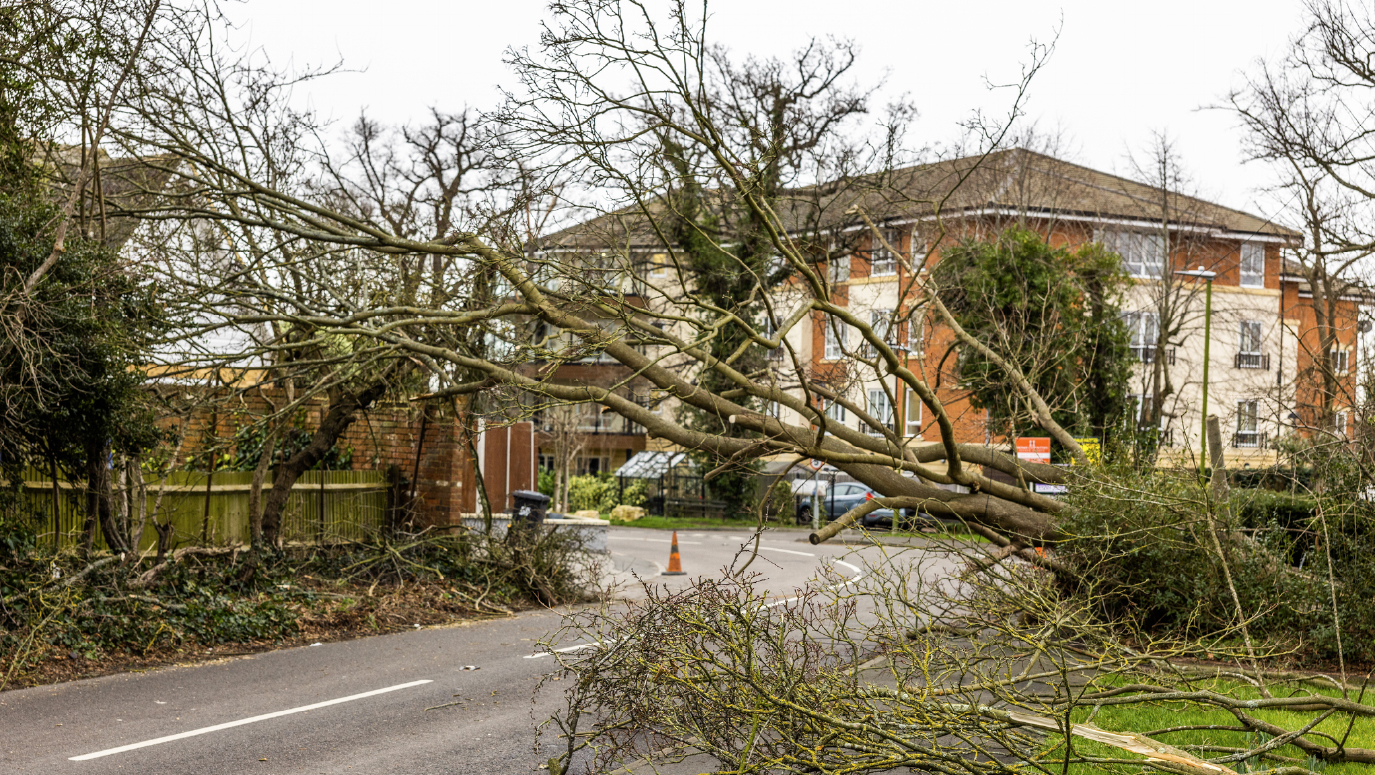
Strong winds and storms
If strong winds are expected in your area, take action now where it's safe to do so.
Home
- Secure or store loose outdoor items such as garden furniture, trampolines and bins.
- Close and secure all windows and doors.
- Avoid carrying out roof repairs or outdoor maintenance during high winds.
Vehicles
- Park away from trees, scaffolding and other structures if possible.
- Avoid unnecessary journeys during severe conditions.
- Check local travel advice before setting off.
There’s a lot more to consider. Read our full guides to preparing for storms and strong winds.
What to do to your home before a storm
What to do to your home during and after a storm
Protect your car from severe weather
Flooding
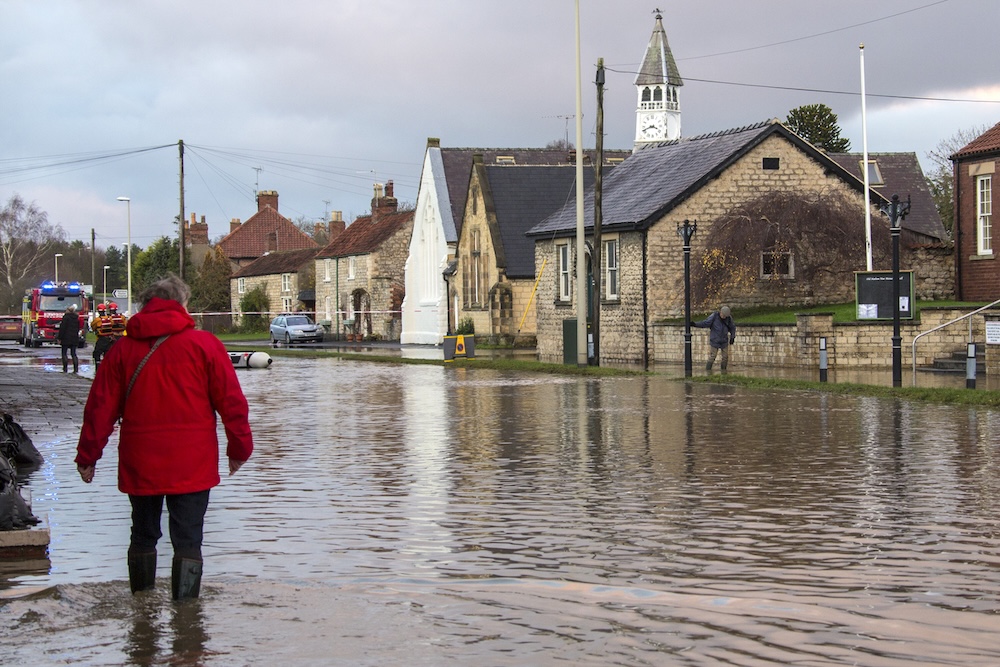
Flood water can cause significant damage and create dangerous driving conditions.
Home
- Move valuables, electrical items and important documents away from ground level.
- Check drains and gutters are free from obvious blockages if it's safe to do so.
- Keep up to date with local flood alerts and warnings.
Vehicles
- Move your vehicle away from areas at risk of flooding where possible.
- Never drive through flood water.
- Do not attempt to start a vehicle that has been affected by flooding.
For more detail, read our full guides on preparing for flooding.
How to minimise flood damage in your home (detailed guide)
Keep your home safe from flooding (shorter guide)
Snow and ice
Snow and ice can make travel difficult and increase the risk of accidents.
Home
- Take care on paths, steps and entrances.
- Keep essential supplies available in case of disruption.
- Check heating systems are working correctly.
Vehicles
- Allow extra time before travelling.
- Clear snow and ice from all windows, mirrors and lights.
- Carry a fully-charged mobile phone on longer journeys.
Read our full guides for dealing with snow and ice.
Is your home ready for sub-zero temperatures?
How to deal with condensation in the home
Freezing conditions
Sub-zero temperatures can lead to frozen pipes and vehicle problems.
Home
- Keep your property heated where possible.
- Know where your stopcock is located.
- Check exposed pipes for signs of freezing.
Vehicles
- Check your battery, coolant and screenwash levels.
- Remove ice carefully using appropriate equipment.
- Make sure your fuel or charge level is sufficient before travelling.
Read our full guides to preparing for freezing weather:
Is your home ready for the big freeze?
Protect your car’s paintwork in the winter
Extreme heat
Hot weather can affect your health, your home and your vehicle. If high temperatures are expected in your area, a few simple precautions can help keep you safe and reduce the risk of damage.
Home
- Keep blinds, curtains and windows closed during the hottest part of the day.
- Check on anyone who may be more vulnerable to the effects of heat.
- Avoid using unnecessary electrical equipment that can increase indoor temperatures.
Vehicles
- Carry water with you if you're travelling.
- Check coolant and engine fluid levels before longer journeys.
- Never leave children, vulnerable people or pets unattended in a vehicle.
Need to make a claim?
If your home or car has already been affected by severe weather, we're here to help. You can start a claim online, or claim using the Direct Line app.