
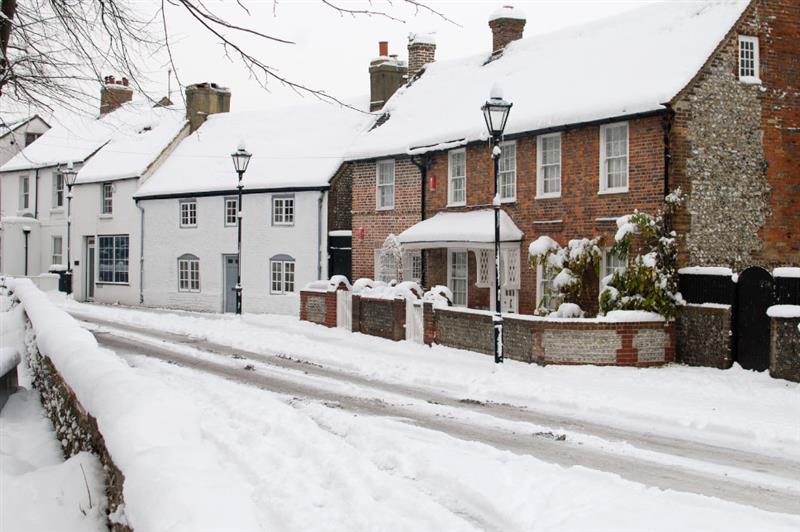
Freezing temperatures cause chaos for homes across the country every winter. Frozen pipes can burst, causing flooding, water damage and all sorts of problems.
But you can stay one step ahead of the weather. Our handy checklist shows you how to get your home ready for the big freeze. With the right preparation, you can keep your home warm, dry and safe over the cold winter months.
Protect your home from freezing temperatures
Lag your pipes and water tanks – when your pipes freeze and quickly thaw again, they can burst and cause serious damage. Lagging is a simple but effective way to insulate exposed pipes and water tanks – especially in lofts, garages and outbuildings. You can buy foam pipe insulation and special jackets for water tanks from most DIY stores.
Get your boiler checked out – it’s a good idea to get your boiler serviced before you find out it’s faulty when you need it most. Call in a Gas Safe registered engineer to make sure your boiler runs efficiently and safely when the cold snap arrives.
Bleed your radiators – If your radiators are colder at the top than the bottom, it’s a sign that air is trapped inside them, stopping the heat from circulating properly. You can sort this yourself with a radiator key – just open the valve slightly until water starts to escape, then close it again.
Locate your stopcock – if the worst happens and a pipe bursts, you’ll need to turn the water supply off quickly. Make sure you know where your water stopcock is and how to turn it off. This will help save time and added stress in an emergency.
Beat the draughts – Seal gaps around your windows, doors, and floorboards to stop heat escaping. Draught excluders, door brushes and sealant strips are cost effective and easy to install.
If you need us this winter
When the weather’s bad, our phone lines get very busy. If you need to make a claim, avoid the queue by using the Direct Line app or your online account. Here’s how:
- Sign into your account online or in the app
- Log your claim securely, step by step
- Save details as you go
- Add supporting evidence quickly and easily
- Manage your claim in your own time
- View repairer details and track progress
Be prepared, stay safe
- If you had a water leak, don’t use electrical equipment or the gas supply until they’ve been checked by a qualified tradesperson.
- If you need to move to alternative accommodation because your property is flooded, the cost is normally covered under your insurance policy, but please check this with the Claims team.
- Where possible, take photographs of the damage to your building and contents (or film it); this may help with your claim.
- Don’t throw away possessions without discussing it with your Claims Adviser, because the items will need to be assessed first.
What does your insurance cover?
You’ll need to check your policy documents for full details of what you’re covered for, but here’s a quick reminder of what we cover (and what we don’t):
✓ Damage to your buildings caused by flood.
✓ Damage caused by water escaping from pipes, tanks or other appliances.
✓ If your home can’t be lived in after a valid claim, we’ll find you alternative accommodation while it’s being repaired.
We don’t cover:
✗ Loss or damage due to wear and tear or lack of maintenance.
✗ Damage caused by frost to outside tanks or water pipes.
✗ Damage that occurs when your home is unoccupied for 60 days or longer.
✗ Loss or damage that took place before your cover started.
Cover limits and exclusions apply.
Check your excess
When you make a claim, you’ll need to pay an excess. Check how much you’ll pay for an escape of water, subsidence or other claims now. You can find details and update your cover in the app.
If you have a question or need more help, visit our help page.


