Falling out with the neighbours can be extremely uncomfortable, especially as there’s nothing you can do to escape them (other than moving house).We look at some of the most common causes of discord between neighbours and explain what your rights are, so you can hopefully sort things out amicably.
High hedges
The problem: The hedge next door is too high and blocking out all your light, but the neighbours refuse to cut it back.
What you can do: The UK government advises that you're entitled to trim any branches or roots that cross into your property. However, you should always seek legal advice first as some hedges are protected by law.
If the hedge is more than two metres high and blocking out the light or access to your garden, you can make a complaint to your local council who may order your neighbour to lower the height of the hedge. Bear in mind, however, that your neighbour may decide to appeal against the council’s decision, and you will have to pay a fee (around £300-600) to the council before they'll look into the issue.
However, there is an alternative to getting the council involved. Approach your neighbour first and explain your problem – they may not be aware of their hedge’s impact on your property. If you can’t come to an agreement, an independent mediator may be able to help.
Keep a record of any communications between yourself and your neighbour, as you may need to show the council evidence that you’ve tried all reasonable steps to resolve the issue before approaching them.
Noisy neighbours
The problem: They love cranking up the music late at night, or have a dog that never stops barking.
What you can do: Anything that disturbs your sleep can be really upsetting, particularly if your neighbour refuses to turn the music down when you ask them to. Keep a record of when noise is made and try to record the it so you have evidence of how it's interfering with your life.
You should then contact your local council - they can investigate the problem and, if they decide your neighbour is causing a statutory noise nuisance (e.g., unreasonable and persistent interference), issue them with an 'abatement notice'. If your neighbour ignores this and continues playing loud music, the local authority can fine or prosecute them, and even seize equipment under the Environmental Protection Act, 1990.
Blocked drains
The problem: Their drains pass through your land and there’s a blockage.
What you can do: As a general rule, you’re responsible for maintaining any drains within the boundaries of your property, so you can’t demand your neighbours foot the cost of repair bills.
Lateral drains and public sewers also used to be the responsibility of property owners, but now local water companies have a duty to maintain them under the Water Industry Act, 1991. Get in touch with the relevant water company so they can locate the problem and put it right.
If you live somewhere with a private shared drain (usually an older terraced house), the situation is different. You and anyone else who shares the sewer have a joint responsibility to pay for any repairs, unless the water company has taken ownership. If a neighbour is refusing to pay their share, contact your local authority environmental health department who can order them to contribute to the cost of repairs.
Boundary disputes
The problem: You and your neighbour can't agree on the boundary between your property and theirs.
What you can do: Boundaries can cause real problems, especially as they may not be exactly where they are described in your title documents. Often they change over time because one party slowly encroaches on the other’s land, or because the boundary has been moved by mutual agreement in the past but no formal note has been made of this change.
The Royal Institution of Chartered Surveyors (RICS) offers a guide to boundary disputes and helpful contact numbers. It's always best to speak to your neighbours as soon as possible to identify the position of, and responsibility for maintaining, the boundaries. But if you think your boundaries have changed over time and you can’t reach an agreement with your neighbours, you should seek legal advice from a solicitor.
Building work
The problem: Your neighbour is planning an extension, and you’re worried it will encroach on your home.
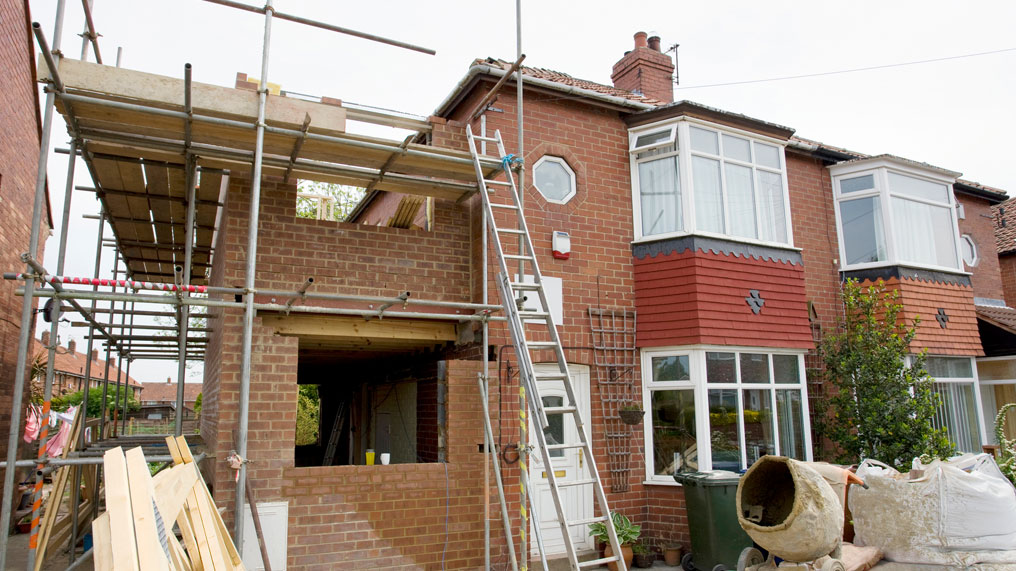
What you can do: Small home improvements fall under ‘permitted development’ if they’re not expected to affect neighbouring homes, but larger renovations need planning permission from the local authority.
If you’re worried about how someone’s home improvements might block out the light, affect your privacy or impact your view, you can check the application on your council’s planning portal and submit your comments before the deadline.
When someone submits a planning application, neighbours are usually notified and given the chance to object before any building work begins.
If you’re planning to have work done on your property, it’s best to talk to your neighbours first to avoid any misunderstandings.
Right to light
The problem: Your neighbour’s new structure significantly reduces the light entering your home.
What you can do: If your window has received more than 20 years of unobstructed daylight, it’s considered to have earned itself a ‘right to light’. So even if your neighbour’s extension has planning permission, it may still infringe your right to natural light.
A specialist surveyor will be able to help you assess the situation for you.
Access to neighbouring land
The problem: You need to enter your neighbour’s property to carry out essential repairs, but they’re refusing to give you access.
What you can do: If you need to fix a boundary wall, guttering or carry out roof repairs, you might have to ask your neighbour to give you access to their land.
If they aren’t willing to help, you have some options: Under the Access to Neighbouring Land Act 1992, you can apply to the county court for an Access Order, enabling you to carry out basic prevention works. As long as the work is necessary and won’t cause unreasonable interference. You may need to explain what work is needed and what steps you’ll take to protect their property.