Insulating your home is one of the smartest ways to save energy, cut bills and stay warm.
Plus, with new regulations and government schemes in place, it’s worth checking whether you could save money on insulation. Whatever upgrades you're planning, we’ll show you how to keep your home cosy all winter long.
Why does insulation matter?
Good insulation keeps heat inside your home, making it more comfortable for you, while reducing energy costs and helping to lower your carbon footprint.
What types of insulation are there?
The basics haven’t changed. The following list contains the most effective ways to improve your home’s energy efficiency, so it makes sense to check whether you have them in place first:
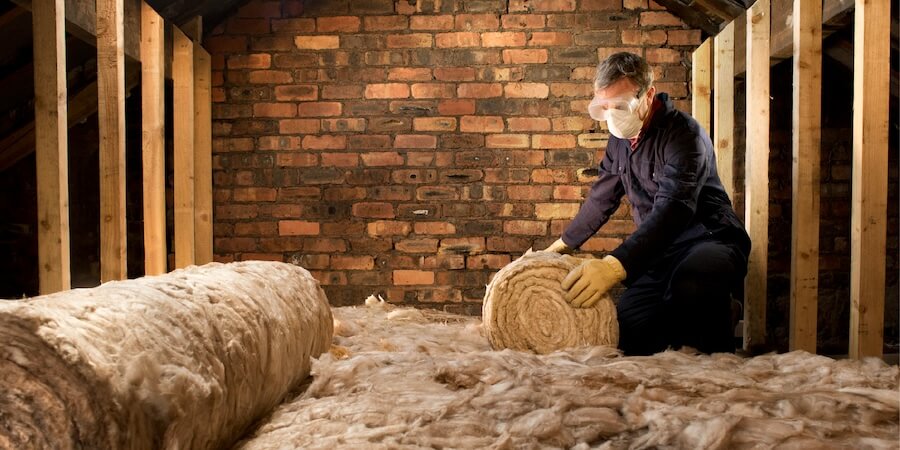
- Loft insulation – stops heat escaping through the roof.
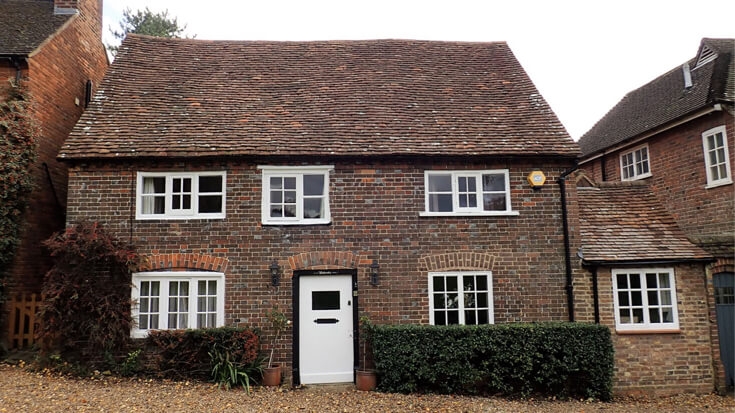
- Cavity wall insulation – fills the gap between external walls to keep warmth in.
- Floor insulation – prevents heat loss through the ground floor.
- Insulate your hot water tank – you can buy a British Standard ‘jacket’ from any good DIY store, making it a cheap and easy way to cut heat loss by up to 75%.
- Double glazing – double glazed windows trap air between the panes to reduce heat loss, noise and condensation.
Quick fixes for a warm home
If you’re short on time, here are some inexpensive ways to keep draughts at bay and see you through the coldest days:
- Draught excluders block cold air from coming in under your doors.
- Add sealant strips around your windows to cut icy drafts.
- Radiator reflectors will reflect heat back into your room, instead of through the walls.
- Rugs can make a real difference to draughty floorboards and can make you feel cosier, too.
- Thick curtains help to improve your home’s thermal insulation.
- Make sure your air vents are properly sealed. If they’re letting cold air in around the edges, seal the gaps with caulk.
Update to building regulations
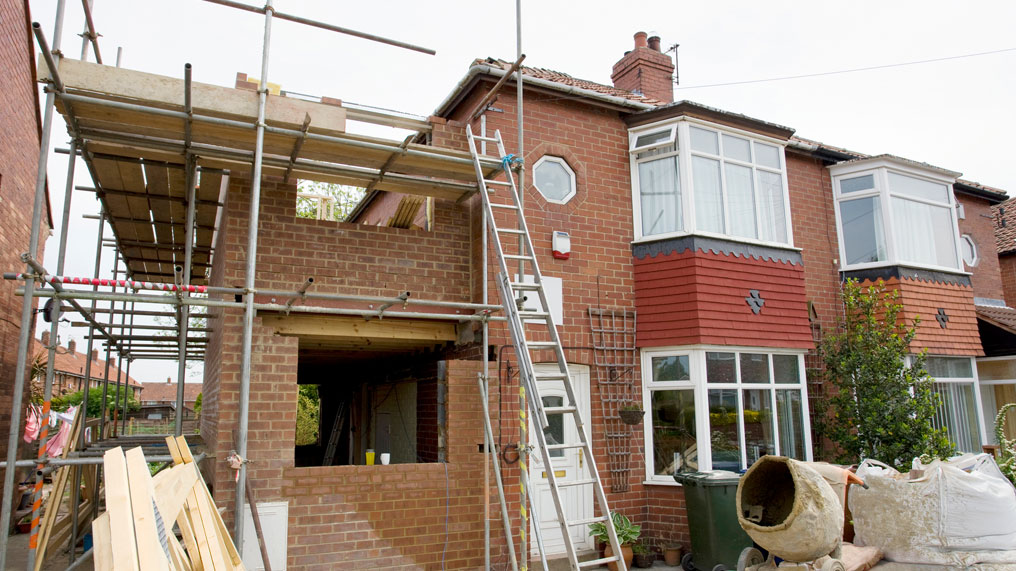
From June 2025, the UK’s Building Regulations (Part L) introduced stricter standards for insulation. So, if you’re modernising your home or installing new walls and floors, your home should meet these U-values:
- Roof: 0.15 W/m²K (usually 270mm mineral wool)
- Walls: 0.18 W/m²K
- Floors: 0.11 W/m²K
These changes help homes retain heat better and reduce energy bills. Your builders should be aware of these changes, but it’s an idea to double-check before any work starts.
Are there any government schemes to help insulation costs?
Insulating your home can be a big investment, but luckily help is available:
- The Great British Insulation Scheme (GBIS) runs until March 2026, offering free or subsidised insulation for low-income and energy-inefficient homes.
- Energy Company Obligation grants (ECO4) are for vulnerable households and those with poor energy ratings.
For more information, check your eligibility and apply for funding, contact your energy provider.
Why your EPC rating matters
Your Energy Performance Certificate (EPC) shows how efficient your home is. The government wants all fuel-poor homes to reach Band C by 2030, and as many homes as possible by 2035. Improving insulation is one of the quickest ways to boost your EPC score.
Don’t forget ventilation!
Better insulation means less heat loss, but it can reduce airflow, too.
Make sure your home has adequate ventilation to prevent damp and condensation. For new builds, Part O regulations sets out measures to take to avoid overheating. Also, check that insulation materials meet fire safety standards under the Building Safety Act.
Ready to upgrade your insulation?
Start by checking your EPC rating and speaking to your energy supplier about GBIS or ECO4. You may be eligible for cavity wall insulation, a heat pump or a new boiler via the Boiler Upgrade Scheme, which can make a huge difference to your home.
Remember, a well-insulated home is warmer, greener, and cheaper to run – and now it’s easier than ever to make it happen.