
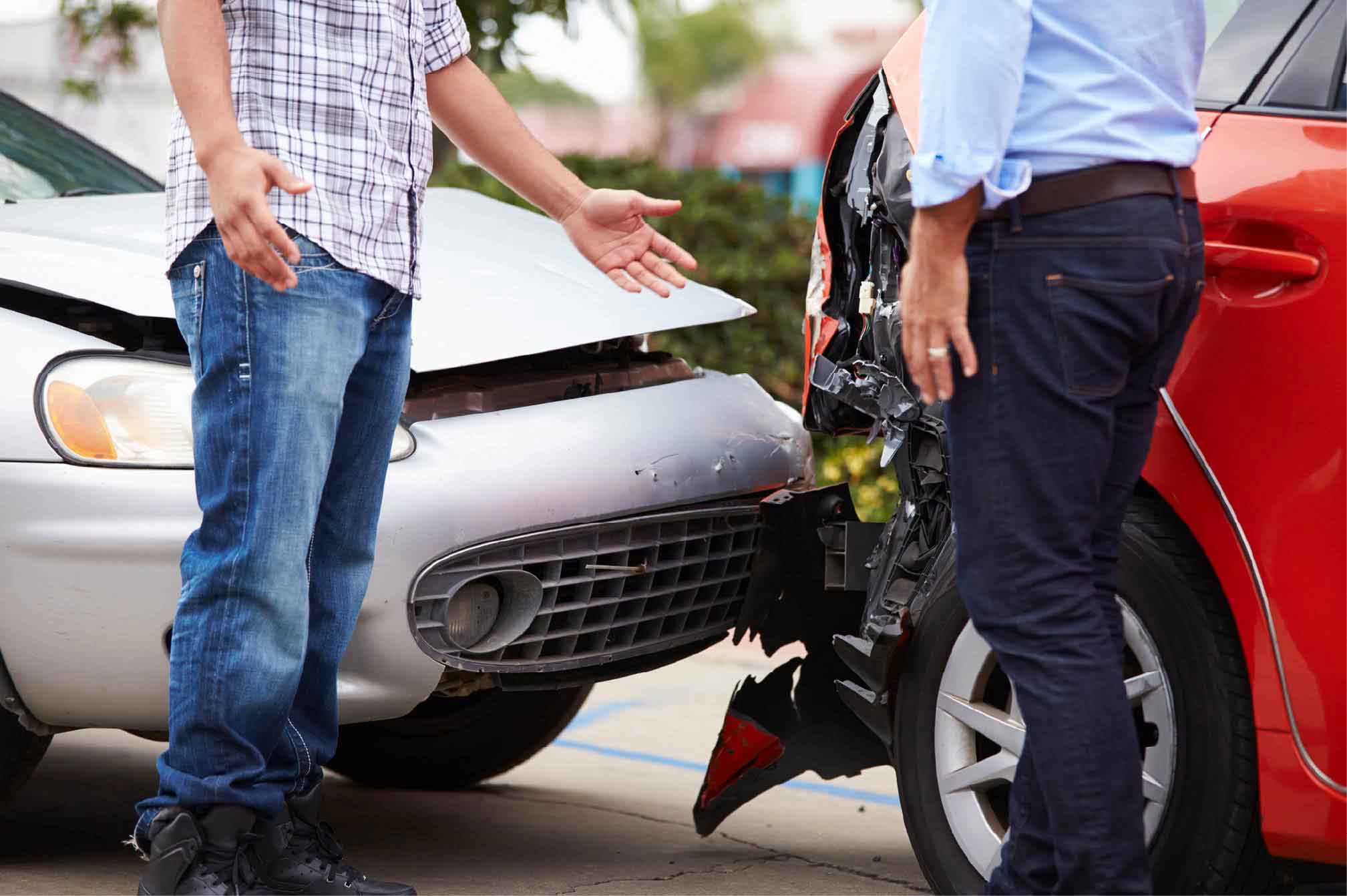
What is a crash for cash scam? How do they work? Who’s being targeted? How can you tell if you’ve been involved in one?
Read our guide to make sure you’re not the latest victim.
The rise in crash for cash scams
Just when you think you’ve seen it all, another variation on a scam rears its ugly head.
In addition to causing car crashes so that they can make car insurance claims, criminals are now trying to extort cash from their victims at the scene of the crime or using AI to manipulate photos and increase the cost of their claim.
Sadly, crash for cash continues to be big business, and criminals can make tens of thousands of pounds from these scams.
What is a crash for cash scam?
Unfortunately, fraudsters are always looking for new ways to target motorists and their techniques are constantly evolving.
Here are just a few examples of common scams:
Staged accidents
In most rear‑end collisions, the driver of the car behind is held responsible. Criminals take advantage of this by creating situations where the driver has no option but to hit the car in front. They cause accidents in a number of ways, such as pulling away then jamming on their brakes; working in conjunction with another driver who brakes suddenly then speeds away; or disabling their brake lights so the driver following can’t react in time.
Clip for cash
Just last year, the Insurance Fraud Bureau warned of a rise in a new variation on the staged accident, which they’ve described as ‘clip for cash’.
In this example, fraudsters wait in a car that’s been parked in a residential road. When an unsuspecting car drives by, the fraudster will use an object such as a rock to make a noise as the other car passes. They’ll then accuse the innocent driver of clipping an already-damaged wing mirror – one that was damaged long before they drove by.
Sometimes, fraudsters demand cash up-front to repair the damage without involving insurers. If this happens to you, consider it a major red flag.
Remember to always tell your insurer whenever you’ve been involved in an accident. Even if you don’t intend to make a claim on your policy, it’s important to let them know what happened in case the other party contacts them.
Moped scams
The rise of moped and scooter delivery services in urban areas has provided fertile ground for criminals who will target drivers as they park their cars, deliberately hitting the car door and claiming it was the motorist's fault.
These incidents often go hand‑in‑hand with identity theft, as riders may pressure drivers to share licence or insurance details that can later be misused.
Identity fraud
In the moments following a crash, you may feel disorientated and confused. Fraudsters use this vulnerability to get valuable information, such as proof of your identity.
Don’t let anyone photograph your driving licence or any other ID as you may put yourself at risk of identity theft. In the wrong hands, these documents can then be used to take out fake policies or run-up debts in your name - such as unpaid parking tickets or speeding fines.
The only information you need to exchange with the other driver following an incident is your name, address and the details of your insurer. Never hand over your documents or allow anyone to take photos of them.
AI trickery
Fraud doesn’t just take place at the scene.
According to the latest Forum of Insurance Lawyers (FOIL) report, criminals are now using AI to produce false evidence that can increase the value of their claim. For example, altering a photo of the damage caused to make it appear far worse than it is.
In some cases, fake evidence like this may be used to claim for an accident that hasn’t even taken place.
Who are the victims?
As is the way with criminals, they tend to target vulnerable drivers; people who don’t want to cause any trouble or who are under time pressure, so they don’t ask too many questions.
Those most at risk tend to be elderly drivers, young drivers or solo female drivers who may have young children as passengers, making them less likely to challenge the fraudster.
How to tell if you’ve been the victim of a crash for cash scam
Clues to look out for include a person who appears to be very calm, especially considering they’ve just been involved in an alleged car accident.
Anyone involved in a crash, even a minor one, will usually be quite shocked. Genuine accident victims may be irritated or perhaps excitable and they could be unsure what happens next.
In contrast, a scammer will be calm and prepared. They may even have already written down their insurance details or certainly have them close at hand. And if there are any injuries, they may appear to be far more serious than the force of the impact might suggest.
How does on-the-spot crash for cash work?
Frequently, the fraudster’s car will have multiple passengers, all of whom will get out of the car rubbing their necks and claiming to be suffering from a hard-to-prove whiplash injury. They will then put in a hefty claim against the innocent driver’s insurance. That will mean your insurance premium may increase.
Another variation on the scam is when fraudsters suggest you pay them off to keep quiet. They may even be kind enough to give you a lift to the cash point. They’ll then make an inflated claim to their insurer anyway.
What's being done to combat crash for cash?
In 2024, the government announced new plans to help clamp down on insurance fraud, including crash for cash scams.
This included the introduction of the Insurance Sector Fraud Charter, which is designed to identify loopholes in the insurance market, enhance collaboration and criminal justice outcomes, better understand the scale of the problem and improve victim support.
The announcement was well-received by the police and the insurance industry, while Lord David Hanson, Minister of State at the Home Office with Responsibility for Fraud, commented:
“Fraud is an appalling crime, and we are determined to crackdown on these callous criminals. Not only do honest customers face higher insurance premiums but these fraudsters do not care if people are harmed in the pursuit of profit. This charter is an important step, and we will continue to work with industry and law enforcement to better protect the public from fraud.”
How can you protect yourself from being the victim of a scam?
One option is to install a dashcam, which can provide clear, first-hand footage of the incident.
If you don’t have a dashcam and you're involved in a crash, look around for CCTV cameras. If there are some, you may be able to obtain the footage to show that you weren’t at fault.
Sadly, many fraudsters have already thought of this and stage their crashes where there isn’t any CCTV. If that’s the case, look for witnesses.
After the accident, try to record as many details as possible. This includes the other driver’s name, address, phone number and the registration number, make and model of their car or motorbike. Also, ask to see their driving licence.
Don’t admit fault for the accident. Take a photograph of the other car and the people in it, so that they can’t later claim for passengers who weren’t present.
Photos and ID checks also help identify repeat offenders and trace their true identities.
If you’re suspicious about the circumstances of the crash, call the police. Make sure you let your insurer know, too.
You can also call the IFB’s Cheatline and report your suspicions.
Remember, if you suspect a crash‑for‑cash scam:
• Stay calm and don’t confront anyone
• Exchange only the legally required details
• Photograph the scene, vehicles, and people
• Avoid handing over any documents
• Call the police if anything feels suspicious
• Report it to your insurer and the IFB Cheatline


