Your home insurance excess is the amount you pay towards an approved claim. Here, we explain how compulsory and voluntary excesses work, what can affect the amount you pay and where to check your Direct Line excess.
What is home insurance excess?
Your home insurance excess is the amount you pay towards an approved claim. It can vary depending on your policy and the type of claim you make.
An excess can apply to combined home insurance, contents-only policies and buildings-only cover.
What’s the difference between compulsory and voluntary excesses?
The excess you pay towards an approved Direct Line Home Insurance claim could be a compulsory excess, or a combination of compulsory and voluntary excess amounts.
Compulsory excess
A fixed amount we set when you buy, renew or amend a policy.
Voluntary excess
An amount you choose when you take out or renew a policy.
How does home insurance excess work when claiming?
Remember that the excess is the amount you’ll pay towards the cost of an approved claim. The following scenario is just an example as each claim is unique.
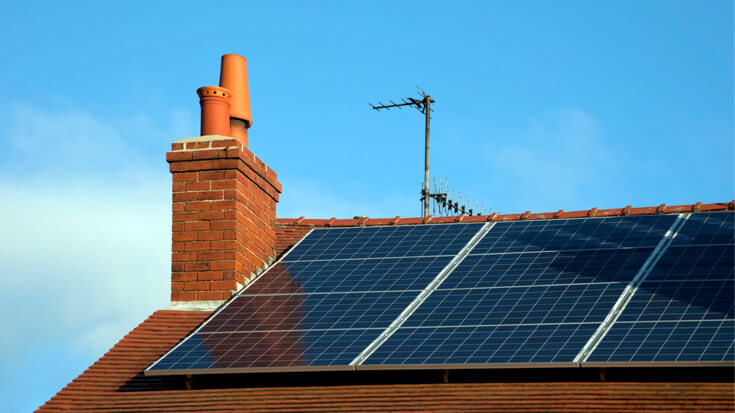
Example: Imagine an approved claim for storm damage to your roof with a repair cost of £1,200. Your policy has a compulsory excess of £100 and a voluntary excess of £150. Together, these make a total excess of £250, which you’d need to pay.
In this example, £950 would be covered by the insurer.
This example is for illustration only. Every claim is assessed individually and subject to the terms of the policy.
What excess will I pay with Direct Line Home Insurance?
The excess you pay will be determined by the compulsory and voluntary excesses for the type of claim you make.
When getting a Direct Line Home Insurance quote you’ll be shown the compulsory excess amounts. You will also be able to select an additional voluntary excess.
If you’ve already got a Direct Line Home Insurance policy, you can find your excess amounts in your policy documents.
If you make a claim, we’ll also let you know what excess would need to be paid.
Are there higher excesses for escape of water and subsidence?
Yes. The compulsory excess amounts for escape of water and subsidence claims are higher than for other types of claims.
Subsidence and escape of water can lead to a range of structural troubles with your home, which can be costly to put right.
The different excess amounts will be shown when getting a quote with Direct Line.
How do I check my home insurance excess?
If you’re a Direct Line Home Insurance policyholder, you can check your excess amounts in your policy documents. If you haven’t got these documents in printed form, they can be accessed from your Direct Line online account or Direct Line app.
When getting a Direct Line Home Insurance quote, you’ll see the various excesses displayed to help you decide if the product is right for you.
Can changing my excess affect the cost of my home insurance?
Lots of different factors affect the cost of your home insurance, including the voluntary excess you choose.
Choosing a different voluntary excess may affect the price of your cover. Remember that the excess you agree to is the amount you'll be expected to pay towards the cost of any approved claim you make.
You should choose an amount you could afford to pay if you needed to make a claim.
Frequently asked questions
How much voluntary excess should I select on home insurance?
There is no single right amount. Choose a voluntary excess you could afford to pay if you needed to make a claim, while balancing this against the price you want to pay for your cover.
Can my excess affect whether it's worth making a home insurance claim?
Before starting a claim, check the excess shown in your home insurance details. If the excess is close to the cost of replacing the item or repairing the damage, you may decide it is not worth continuing with the claim.
The decision is yours, and we’ll confirm the relevant excess as part of the claims process.
Why is there an excess on home insurance?
An excess exists because it helps keep home insurance premiums lower for everyone by reducing low-cost claims, preventing fraud and encouraging better property maintenance.
1. It reduces low-cost claims
Insurance works by collecting premiums from many customers and using that money to pay claims.
If insurers paid every small claim, the overall cost of claims would increase. Those higher costs would usually lead to higher premiums for everyone.
An excess means customers cover part of the cost themselves, helping to keep premiums lower.
2. It helps reduce fraudulent or exaggerated claims
Because customers contribute towards the cost of a claim, there is less incentive to make false, staged or exaggerated claims. This helps keep insurance fair and affordable for all customers.
3. It encourages proactive property maintenance
An excess can encourage homeowners to take preventative steps to protect their property, such as carrying out regular maintenance or improving home security. This can help reduce the likelihood of avoidable damage and claims.
Do I have to pay a voluntary excess on my home insurance?
No, when buying Direct Line Home Insurance you can choose a voluntary excess of £0. This means that if you make a claim, you’ll only have the compulsory excess to pay.
How do I make a home insurance claim?
If you’re a Direct Line customer, you can start your home insurance claim online.
Check your excess or start a claim
Already have Direct Line Home Insurance? Check your home insurance details to find the excess that applies to you. If you decide you want to make a claim, you can tell us what happened online.
Looking for cover? Get a Direct Line Home Insurance quote.